Eden Jung · 22 September 2026
Canora Veteran Leaders Bridge Heritage Celebrations with Updated Safety Protocols and Health Enhancements
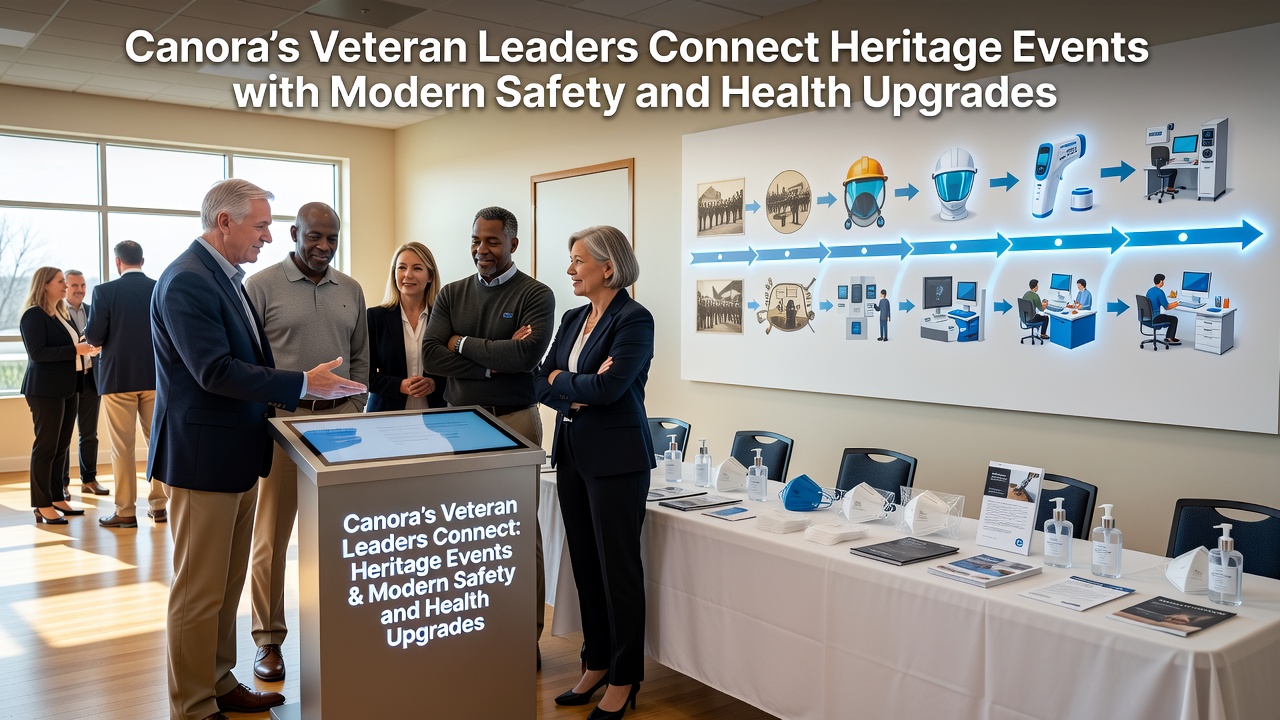
Canora community organizers have long maintained traditions rooted in local history, yet recent initiatives led by veteran leaders integrate those customs with contemporary requirements for emergency preparedness and wellness standards. Events scheduled through the coming year emphasize both cultural continuity and compliance with current guidelines from regional authorities, including accessibility features and on-site medical resources.
Observers note that veteran involvement stems from prior service experience in structured operations, which translates directly to planning phases for festivals and commemorations. Data from similar programs across Saskatchewan shows increased participation rates when organizers incorporate health checkpoints alongside traditional displays, according to reports compiled by the Public Health Agency of Canada.
Heritage Elements Retained in Planning
Traditional components such as historical reenactments, artifact exhibitions, and community parades remain central to the calendar, while adjustments address crowd flow, structural inspections, and hydration stations. Veterans coordinate with municipal teams to review site layouts, ensuring pathways accommodate mobility aids without altering the visual character of the venues. Figures from the 2025 season indicate that attendance held steady at prior levels even after these modifications, because organizers maintained core programming.
Local records document how heritage societies first collaborated with military veterans in the early 2010s, drawing on their logistical expertise to manage larger gatherings. This partnership expanded when health regulations required documentation of sanitation protocols and emergency evacuation routes for public events exceeding certain attendance thresholds.
Modern Safety Integrations
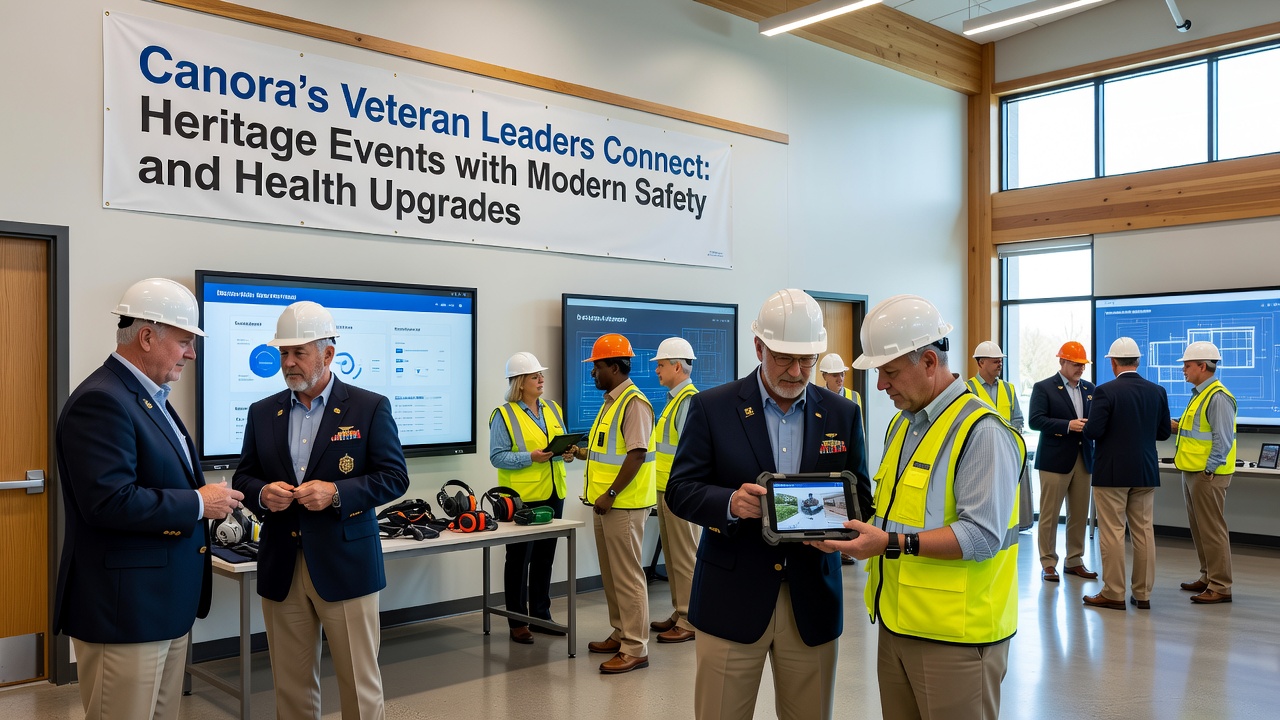
Safety upgrades include temporary fencing around demonstration areas, trained first-response volunteers stationed at intervals, and digital check-in systems that track participant numbers in real time. These measures align with recommendations issued by the Canadian Centre for Occupational Health and Safety for community events, where risk assessments precede any public activity. Veteran leaders review these assessments alongside heritage committees to balance authenticity with liability considerations.
One program scheduled for September 2026 incorporates live demonstrations of vintage equipment alongside mandatory safety briefings delivered before each session. Organizers report that such briefings last under five minutes yet cover topics including heat exposure and crowd surge prevention, elements drawn from standardized training modules.
Health Upgrades and Accessibility Focus
Health enhancements encompass portable handwashing units, shaded rest zones, and partnerships with local clinics for on-call support during multi-day events. Researchers at the University of Saskatchewan have tracked similar installations at regional fairs and found measurable reductions in minor medical incidents when such resources appear early in the planning documents. Veteran coordinators apply these findings by mapping station placements against expected foot traffic patterns derived from previous years.
Accessibility improvements involve ramp installations at entry points, sign language interpreters for key presentations, and quiet areas for attendees who require sensory breaks. These additions follow standards outlined in the Accessible Canada Act, which sets baseline expectations for public gatherings funded or supported by federal programs. Community feedback collected after the 2025 events showed higher satisfaction scores among families wth varying mobility needs once these features became standard.
Coordination Between Groups
Veteran associations, heritage societies, and municipal health officers meet quarterly to align calendars and share resource lists. This structure prevents overlap in volunteer recruitment while distributing costs for equipment rentals across multiple organizations. Records indicate that joint purchasing agreements reduced per-event expenses by approximately 18 percent compared with standalone arrangements.
Training sessions conducted in advance of September 2026 will cover both historical context for new volunteers and updated emergency response procedures. Sessions combine classroom segments with practical drills, allowing participants to practice crowd management techniques alongside explanations of cultural significance.
Conclusion
Canora's approach demonstrates how established community traditions can incorporate regulatory requirements without diminishing their original purpose. Veteran leadership supplies operational frameworks that heritage groups then adapt to local contexts, producing events that satisfy both cultural preservation goals and current safety expectations. Continued documentation of attendance patterns and incident rates will inform future adjustments as planning proceeds toward the 2026 season.